


Exploring the Impact of Low-Income Housing on Disabled Adults and Mental Health in Diverse Environments
- Nisa Pasha

- 1 day ago
- 4 min read
Living in low-cost affordable housing can present serious challenges for disabled adults and individuals with mental health conditions, especially when children are involved. The environment and financial constraints often combine to create hazardous living situations that affect physical health, emotional well-being, and family dynamics. This post explores how these factors intersect in diverse settings, highlighting personal stories and practical insights to better understand the stakes and possible paths forward.

The Reality of Low-Income Housing for Disabled Adults
Many disabled adults face limited housing options due to financial restrictions and accessibility needs. Affordable housing units often lack necessary modifications such as ramps, grab bars, or wide doorways, making daily life difficult or unsafe. For example, a wheelchair user might struggle with uneven floors or narrow hallways, increasing the risk of injury.
In addition to physical barriers, the quality of the housing environment itself can be hazardous. Poor ventilation, mold, pest infestations, and inadequate heating or cooling systems are common in low-cost housing. These conditions can worsen chronic health issues and contribute to new problems, especially for those with respiratory or immune system vulnerabilities.
Personal Story: Maria’s Struggle with Accessibility
Maria, a disabled adult living in a low-income neighborhood, shares how her apartment’s lack of accessibility affects her independence. She must rely on family members for tasks she could manage with proper modifications. The stress of this dependence weighs heavily on her mental health, compounding feelings of isolation.
Mental Health Challenges in Hazardous Housing
Mental health patients often experience heightened sensitivity to their living environments. Crowded, noisy, or unsafe housing can trigger anxiety, depression, or exacerbate symptoms of conditions like PTSD or bipolar disorder. The lack of privacy and constant stress from unstable surroundings make recovery and stability difficult.
Low-income housing frequently exists in areas with limited access to mental health services. Transportation barriers and stigma further reduce the chances of receiving timely support. This creates a cycle where poor housing conditions worsen mental health, which in turn makes it harder to improve living situations.
Impact on Families with Children
When disabled adults or mental health patients have children, the stakes rise. Children growing up in hazardous housing face risks to their physical health and emotional development. Overcrowding and unsafe conditions can lead to accidents, chronic illnesses, and stress-related behavioral problems.
Parents in these situations often struggle to provide a nurturing environment. The financial strain of maintaining a household on a limited income, combined with managing disabilities or mental health symptoms, can lead to exhaustion and burnout. This affects parenting quality and family cohesion.
Diverse Settings and Their Unique Challenges
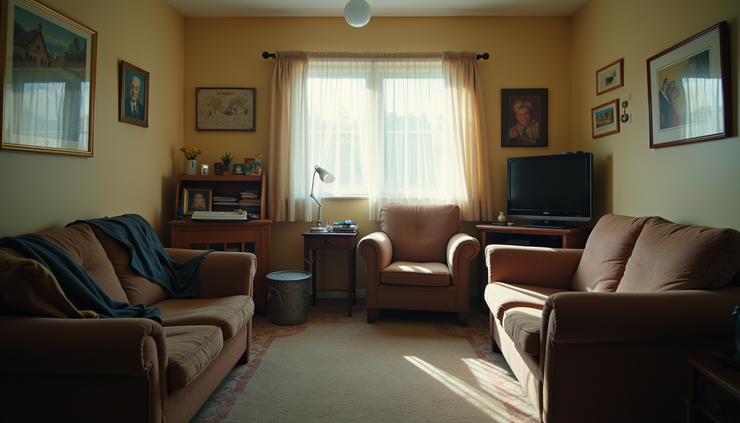
Low-income housing environments vary widely—from urban high-rises to rural trailer parks. Each setting presents unique challenges for disabled adults and mental health patients.
Urban areas often have more services but also more noise, pollution, and crime. The density can increase stress and reduce privacy.
Rural areas may offer quieter surroundings but lack accessible transportation and specialized healthcare.
Suburban low-cost housing might fall between these extremes but often suffers from neglect and poor maintenance.
Understanding these differences is crucial for tailoring support and interventions.
Practical Steps to Improve Living Conditions
Improving the lives of disabled adults and mental health patients in low-income housing requires coordinated efforts:
Advocacy for accessible housing: Push for building codes and funding that prioritize accessibility features.
Health and safety inspections: Regular checks can identify hazards like mold or faulty wiring before they cause harm.
Community support programs: Local organizations can provide mental health services, parenting support, and resources for home modifications.
Financial assistance: Rent subsidies or grants for repairs help reduce the burden on families.
Inclusive urban planning: Designing neighborhoods with accessible transportation and green spaces improves overall well-being.
Personal Story: James’ Journey to Stability
James, a father with bipolar disorder, found a community program that helped him secure a safer apartment and access counseling. With support, he improved his mental health and created a more stable home for his children. His story shows how targeted help can make a real difference.

Moving Forward with Awareness and Action
The intersection of disability, mental health, low income, and housing quality is complex but critical. Families living in hazardous affordable housing face daily struggles that affect their health and future. By understanding these challenges through personal stories and diverse settings, communities and policymakers can work toward safer, more supportive environments.
Supporting disabled adults and mental health patients means more than providing shelter. It requires accessible, healthy homes and access to services that promote well-being. For families with children, these improvements can break cycles of hardship and build stronger futures.
If you or someone you know faces these challenges, seek local resources and advocate for better housing policies. Every step toward safer, affordable housing is a step toward healthier lives.
This content is for informational purposes only and does not replace professional advice.


Comments